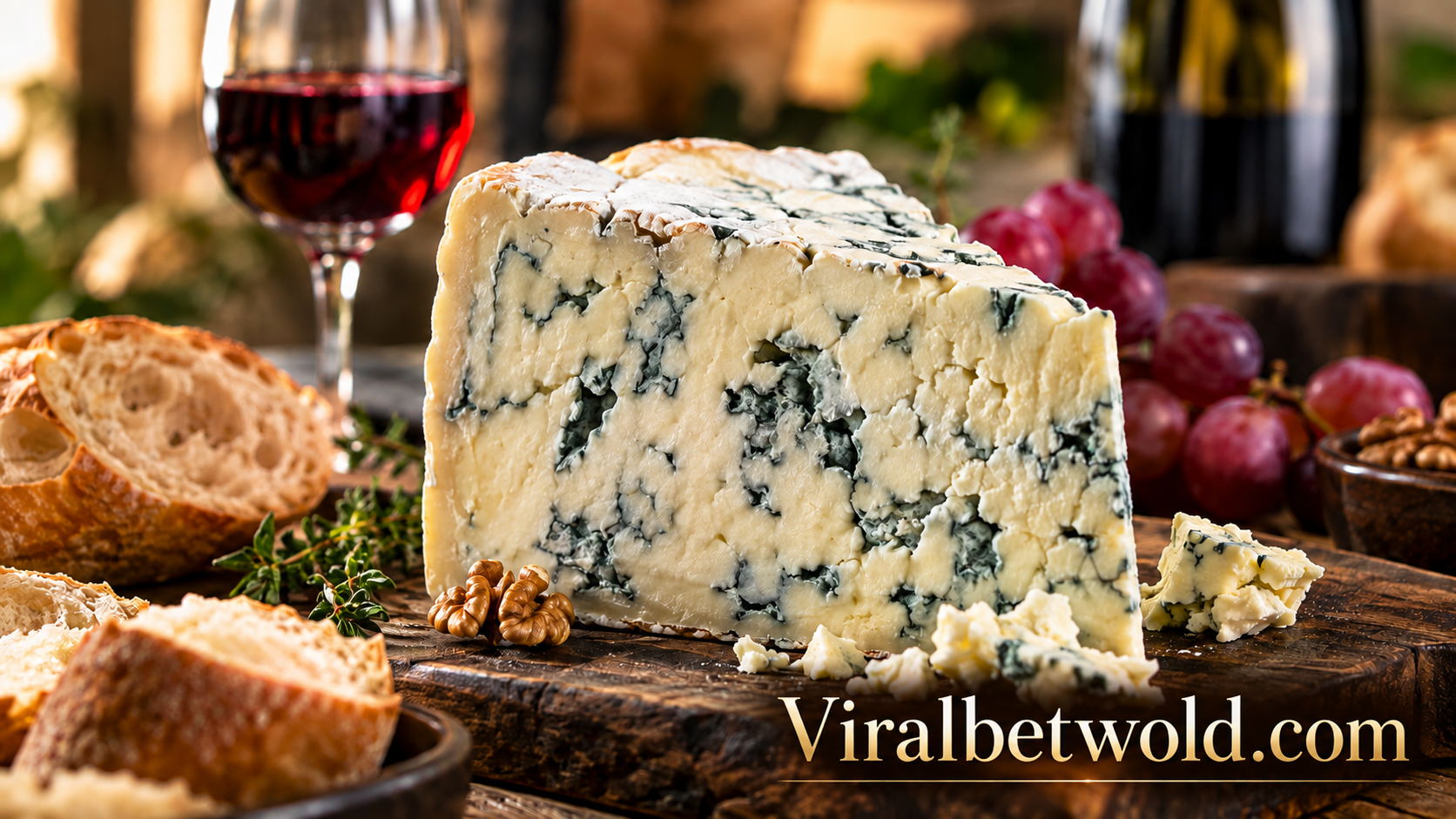
The word “masgonzola” may look familiar to people searching for food, cheese, or Italian culinary terms. However, its exact meaning and origin are not clearly established in widely recognized reference sources. It is important to distinguish the term from Gorgonzola, the well-known Italian blue cheese, rather than assume the two words refer to the same product.
To understand the possible meaning of masgonzola, consider its spelling, its relationship to established food terminology, and its culinary uses if the intended reference is Gorgonzola. This guide explains what is known, where uncertainty remains, and how to identify the cheese accurately.
What Does Masgonzola Mean?
Masgonzola does not appear to be a widely established culinary term with a clearly documented definition. Without a reliable source identifying it as a specific food, brand, or regional expression, its precise meaning cannot be confirmed.
One possible point of comparison is Gorgonzola, an Italian blue cheese recognized for its characteristic blue-green veining and distinctive flavor. The name similarity may indicate a spelling variation or a reference to that cheese, but similarity alone does not prove a connection.
When encountering the word masgonzola on a website, product label, or social media post, consider the surrounding context. An accompanying ingredient list, manufacturer name, or product description may help establish what the writer intended.
The Possible Origins of Masgonzola
One possible culinary interpretation of masgonzola is a combination of two Italian cheeses: mascarpone and Gorgonzola. This interpretation appears in some online food content, but no definitive origin story has been verified.
The two cheeses have distinct characteristics:
- Mascarpone: A soft Italian cheese with a rich, smooth texture and mild flavor.
- Gorgonzola: A blue-veined Italian cheese with a distinctive savory flavor.
The name may combine part of “mascarpone” with “Gorgonzola.” However, this remains a possible linguistic explanation rather than a confirmed historical fact.
Gorgonzola has Protected Designation of Origin (PDO) status in the European Union, with specific production requirements. Available information does not establish masgonzola as a separate PDO-protected cheese.
What Does Masgonzola Taste Like?
If masgonzola refers to a mascarpone and Gorgonzola mixture, its flavor depends on the proportions and the particular cheeses used.
The ingredients contribute different characteristics:
- Creaminess: Mascarpone adds a rich, smooth texture.
- Tanginess: Gorgonzola contributes the recognizable flavor of blue cheese.
- Saltiness: The finished mixture may taste savory and salty.
- Flavor balance: More mascarpone generally softens the intensity, while more Gorgonzola produces a stronger flavor.
These are general culinary expectations based on the ingredients, not a standardized flavor profile for a formally defined product called masgonzola.
The texture may range from spreadable to thick, depending on how the ingredients are combined and whether the mixture is served chilled or allowed to soften.
Common Culinary Uses of Masgonzola
When masgonzola refers to a mascarpone and Gorgonzola combination, it can be used in dishes that benefit from both creamy texture and blue-cheese flavor.
1. Pasta and Creamy Sauces
Stir the cheese mixture into warm pasta to create a rich sauce. Add it gradually over low heat, using a little pasta water if needed to adjust the consistency. Black pepper and herbs can complement the flavor without overwhelming it.
2. Risotto
A small amount of the mixture can be stirred into risotto near the end of cooking. Mascarpone contributes creaminess, while Gorgonzola provides a savory finish. Because both cheeses add richness, start with a modest quantity and adjust to taste.
3. Bread, Crostini, and Crackers
A soft cheese mixture can be spread on toasted bread, crostini, or crackers. Walnuts, pears, and a small amount of honey can provide contrasting textures and flavors.
4. Pizza and Flatbreads
Use the combination sparingly as a topping for pizza or flatbread. It pairs well with ingredients such as mushrooms, caramelized onions, and pears. Since blue cheese has a pronounced flavor, too much can overpower the other toppings.
5. Dips and Cheese Boards
A creamy blend can serve as a dip for bread or crisp vegetables. On a cheese board, it can be paired with fresh fruit, nuts, crackers, and milder cheeses to provide variety.
These suggestions describe practical uses for a mascarpone and Gorgonzola mixture. They should not be interpreted as evidence that every product labeled masgonzola has the same ingredients or culinary properties.
Masgonzola vs. Gorgonzola vs. Mascarpone
Although the names may be related, the three terms do not mean the same thing.
Feature
Masgonzola
Gorgonzola
Mascarpone
Meaning Sometimes used online for a combination of mascarpone and Gorgonzola Recognized Italian blue cheese Soft Italian cheese.
Flavor Depends on the blend Distinctive, ranging from mild to strong Mild and creamy.
Texture Often creamy if blended Soft to firmer, depending on type and maturation Smooth and creamy
Typical uses Spreads, sauces, and other cheese dishes if made as a blend Pasta, risotto, pizza, and cheese boards Desserts, fillings, sauces, and spreads.
Separate PDO status Not established Protected in the EU No separate PDO status established here.
The key distinction is that Gorgonzola is a specifically defined cheese, whereas masgonzola is a less standardized term whose meaning should be checked against the particular product or recipe.
How to Choose and Store a Masgonzola-Style Cheese
If you want to try a creamy mascarpone and Gorgonzola combination, check the product label rather than relying on the name alone.
Consider the following points:
- Read the ingredients: Confirm whether the product contains both mascarpone and Gorgonzola.
- Check the texture: Choose a smooth, spreadable blend for dips and sauces, or a firmer preparation if that better suits your recipe.
- Consider the flavor: A blend with more mascarpone may taste milder, while a higher proportion of Gorgonzola will generally produce a more pronounced blue-cheese flavor.
- Check storage instructions: Follow the manufacturer’s refrigeration and use-by guidance. Handle dairy products according to their packaging instructions.
- Verify authenticity: If you specifically want protected Gorgonzola PDO, look for the official identification and packaging marks described by the Gorgonzola consortium.
If you are making the mixture at home, combine the cheeses gradually and taste as you go. This gives you control over the balance between creaminess and the characteristic blue-cheese flavor.
Frequently Asked Questions
Is masgonzola a real cheese?
The term appears in online culinary content describing a combination of mascarpone and Gorgonzola. However, it has not been established here as a separate, standardized cheese variety with its own verified production specification.
Is masgonzola the same as Gorgonzola?
No. Gorgonzola is an established Italian blue cheese with protected designation status in the European Union. Masgonzola is used by some online sources to describe a combination of mascarpone and Gorgonzola, although the term is not consistently defined.
Where does the name masgonzola come from?
One possible explanation is that the name combines elements of “mascarpone” and “Gorgonzola.” A definitive account of its first use has not been established.
What can you make with masgonzola?
If it refers to a mascarpone and Gorgonzola blend, suitable uses include pasta sauces, risotto, crostini, pizza toppings, dips, and cheese boards.
Is masgonzola suitable for people who dislike strong blue cheese?
A blend containing more mascarpone may be less intense than Gorgonzola on its own. However, the final flavor depends on the ingredients and their proportions, so a small taste is the best way to judge it.
Conclusion
Masgonzola is a term that requires some context. In online culinary usage, it is associated with combining mascarpone and Gorgonzola, bringing together a creamy texture and the distinctive flavor of blue cheese. However, its exact origin and status as a separate cheese variety have not been firmly established.
For anyone interested in trying it, the most useful approach is to verify the ingredients, understand the role of each cheese, and choose a preparation suited to the intended dish. This makes it easier to appreciate the combination without confusing an informal culinary term with an officially recognized cheese.