Selecting a manufacturer for critical material handling equipment is rarely as simple as comparing price sheets, yet that is exactly how many plant managers approach the decision when the pressure to stay within budget takes over. Choosing the wrong partner for something as important as a bucket elevator can lead to years of maintenance headaches, unexpected downtime, and equipment that never quite performs the way the brochure promised. With so many suppliers claiming to offer heavy-duty solutions, knowing what actually separates a reliable manufacturer from one that simply talks a good game becomes essential before signing any purchase order.
Look Beyond the Brochure and Into Engineering Depth
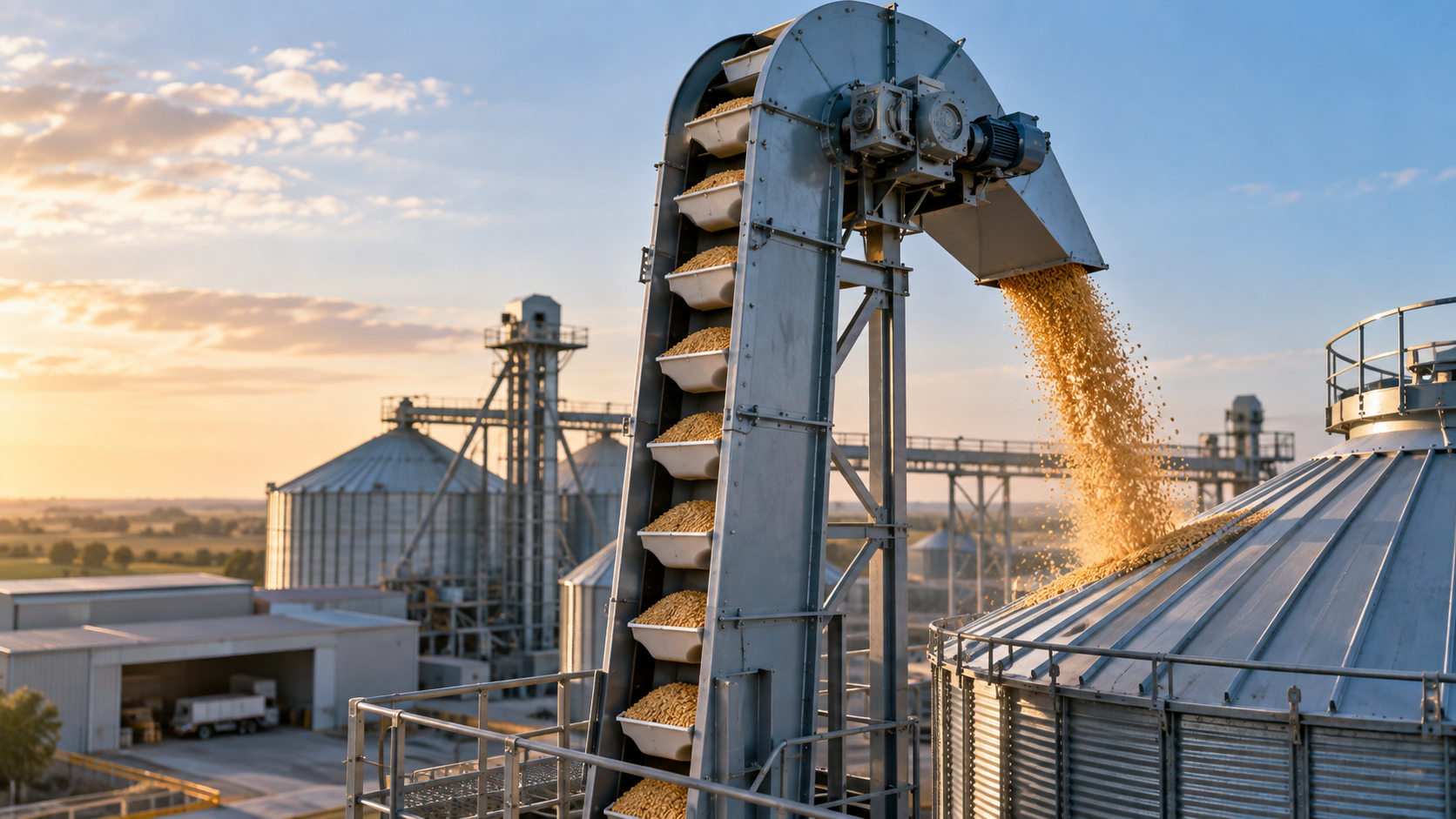
Marketing materials tend to make every bucket elevator sound rugged and dependable, but the real differentiator lies in the engineering details that rarely make it onto a glossy product page. A quality manufacturer should be able to explain exactly how their systems handle abrasive materials, extreme temperatures, or continuous high-volume throughput, rather than offering vague assurances about durability. A TONGLI Bucket Elevator, for example, is often discussed in terms of specific design choices like reinforced bucket materials, sealed bearing housings, and drive components rated for continuous industrial use. When evaluating potential suppliers, ask pointed questions about material specifications and engineering tolerances rather than accepting generic claims of heavy-duty performance at face value.
Evaluate Manufacturing Experience With Your Specific Industry
Not every bucket elevator manufacturer has deep experience across all industries, and this distinction matters more than many buyers initially realize. A supplier that primarily builds systems for grain handling may not fully understand the unique demands of cement production, where dust, heat, and abrasive clinker create very different engineering challenges. Cementl has built much of its reputation specifically around heavy industrial applications like cement and mineral processing, which means their engineering decisions reflect years of lessons learned in exactly the kind of demanding environments many buyers are trying to solve for. Asking potential manufacturers about their track record in your specific industry often reveals more about long-term reliability than any general capability statement ever could.
Assess Customization Capabilities Rather Than Standard Catalog Options
Heavy-duty applications rarely fit neatly into a standard product catalog, since material characteristics, throughput requirements, and facility layouts vary significantly from one plant to another. A manufacturer worth considering should offer genuine customization rather than simply adjusting a few dimensions on an existing template. Whether that means modifying bucket design for a particular material, adjusting drive systems for unusual height requirements, or reinforcing casings for especially abrasive applications, the ability to tailor a bucket elevator to specific operational needs often separates truly capable manufacturers from those offering one-size-fits-all solutions. Companies that ask detailed questions about your material properties and production goals before quoting a price are usually signaling a more thoughtful, engineering-driven approach.
Consider After-Sale Support and Availability of Replacement Parts
Even the best-engineered bucket elevator will eventually need maintenance, and how a manufacturer handles after-sale support often matters just as much as the initial equipment quality. Delayed access to replacement parts can turn a routine repair into extended downtime, particularly for specialized components that are not readily available from generic suppliers. A TONGLI Bucket Elevator purchased through an established distribution and support network typically offers faster access to parts and technical guidance compared to lesser-known manufacturers with limited service infrastructure. Before finalizing any purchase, it is worth asking directly about typical lead times for replacement parts and what kind of technical support is available once the equipment is installed and running.
Weigh Long-Term Value Against Initial Price
Price comparisons are an unavoidable part of the purchasing process, but the lowest quote rarely reflects the true cost of ownership over the equipment’s lifespan. A manufacturer offering a heavy-duty bucket elevator at a noticeably lower price than competitors may be cutting corners on materials, engineering tolerances, or quality control, all of which tend to surface as problems well after the warranty period ends. Cementl and similarly established manufacturers typically price their equipment based on genuine engineering investment rather than racing to the bottom, which often translates into fewer breakdowns and a longer service life once the math is done over several years of operation.
Final Thoughts on Selecting a Manufacturer
Choosing the right manufacturer for a heavy-duty bucket elevator requires looking past surface-level marketing claims and digging into engineering depth, industry experience, customization capability, and after-sale support. Whether you are evaluating a TONGLI Bucket Elevator or comparing multiple suppliers side by side, taking the time to ask detailed questions upfront pays off significantly once the equipment is running in your facility. For plants serious about long-term reliability, partnering with an experienced manufacturer like Cementl offers the kind of engineering expertise and industry-specific knowledge that generic suppliers simply cannot match.